Featuring Mark Joyce
Principal Officer, Changing Futures Northumbria
Based on a conversation with Mark
People can face multiple, entangled disadvantages. But when support is organised around separate conditions, thresholds and services, the system itself can become part of the complexity.
Written by Andy Cox · 3–4 minute read
When I spoke with Mark Joyce about five years of Changing Futures Northumbria, one idea kept returning: people facing multiple disadvantage do not experience their lives in the same categories that services use to organise support.
Housing, mental health, substance use, money, relationships, safety and isolation can all be part of one connected life. Yet the response around someone may involve several services, assessments, thresholds and plans.
That raises a useful question: when we describe someone as “complex”, how much of that complexity sits in their life — and how much is created by the way support is organised around them?
Start with what matters
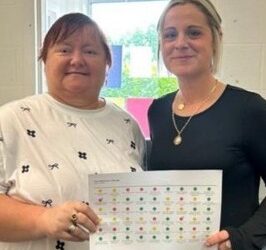
Changing Futures used a version of the SIGNAL Life Map designed for people facing complex multiple needs. Instead of beginning only with what services thought was wrong, the conversation looked across the whole life and asked what mattered to the person.
That does not mean ignoring risk or professional judgement. It adds something that services can easily miss: the person’s own understanding of what is connected, what matters most and where they feel able to begin.
Mark’s summary is simple:
Start with what matters to people, not what matters to the system.
That matters because the area of greatest visible pressure is not always where someone chooses to start. A practitioner may see one issue as urgent, while the person identifies another as the place where progress feels possible.
Those perspectives do not have to compete. Bringing them together can give a fuller picture of both risk and possibility.
What follow-up Life Maps can add
Changing Futures also gives us follow-up Life Maps, which help show what changes over time — not just in circumstances, but in agency: whether people feel increasingly able to make choices and act on what matters.
The early pattern is encouraging. People with repeat Life Maps show improvements in both agency and the number of areas moving towards green, with larger gains among those followed over longer periods.
That does not prove that one intervention caused those changes. But it gives us a different kind of evidence about progress — one that sits alongside service data, professional judgement and lived experience.
This is where Shared Insight becomes useful. Across many Life Maps, we can begin to ask whether people repeatedly choose different starting points from those services might expect, which pressures tend to occur together, and what else changes when progress is made in one area.
From programme learning to system learning
Mark’s argument is not simply that Changing Futures should be reproduced everywhere.
The bigger challenge is whether mainstream services absorb what programmes like this have learned: responding to what matters, building trusted relationships, working across service boundaries and using lived experience to shape how support is organised.
That is a harder test than extending a project.
If people experience several pressures together, but services continue to respond to them separately, some of the complexity may remain in the system itself.
For policymakers and commissioners, that leaves a simple question:
When people face multiple, interconnected needs, how much complexity are we adding through the way support is designed?
That is what we are noticing now.
Read more
This reflection is based on my conversation with Mark Joyce, Changing Futures Northumbria.
Read the full interview: Start with what matters, not what’s wrong →