What the Life Map asked the system to notice
JS had been raising concerns about her housing for some time. Damp. Mould. A property that was making her ill. The complaints were logged. The responses came. But something kept getting missed.
It was only when JS completed a SIGNAL Life Map – through PROPS, an organisation working across Newcastle and North Tyneside at the intersection of health, poverty and relational practice – that the full picture became visible. Not just to the practitioners supporting her. To JS herself.
“Reflecting on the Life Map helped JS understand the extent to which her housing conditions were affecting every part of her life. She had been living with it for so long that some of it had become normal. The Life Map helped her name it – and see it whole.” – Claire, PROPS Volunteer and Carer Coordinator
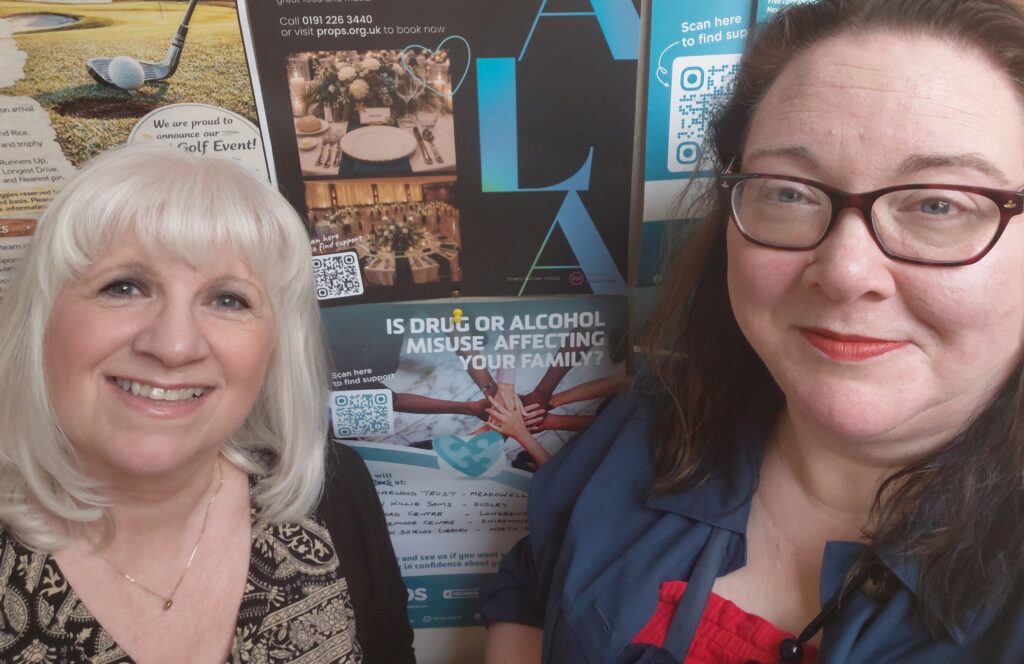
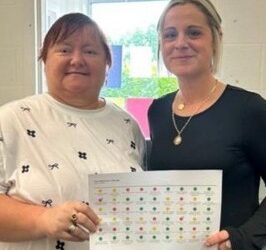
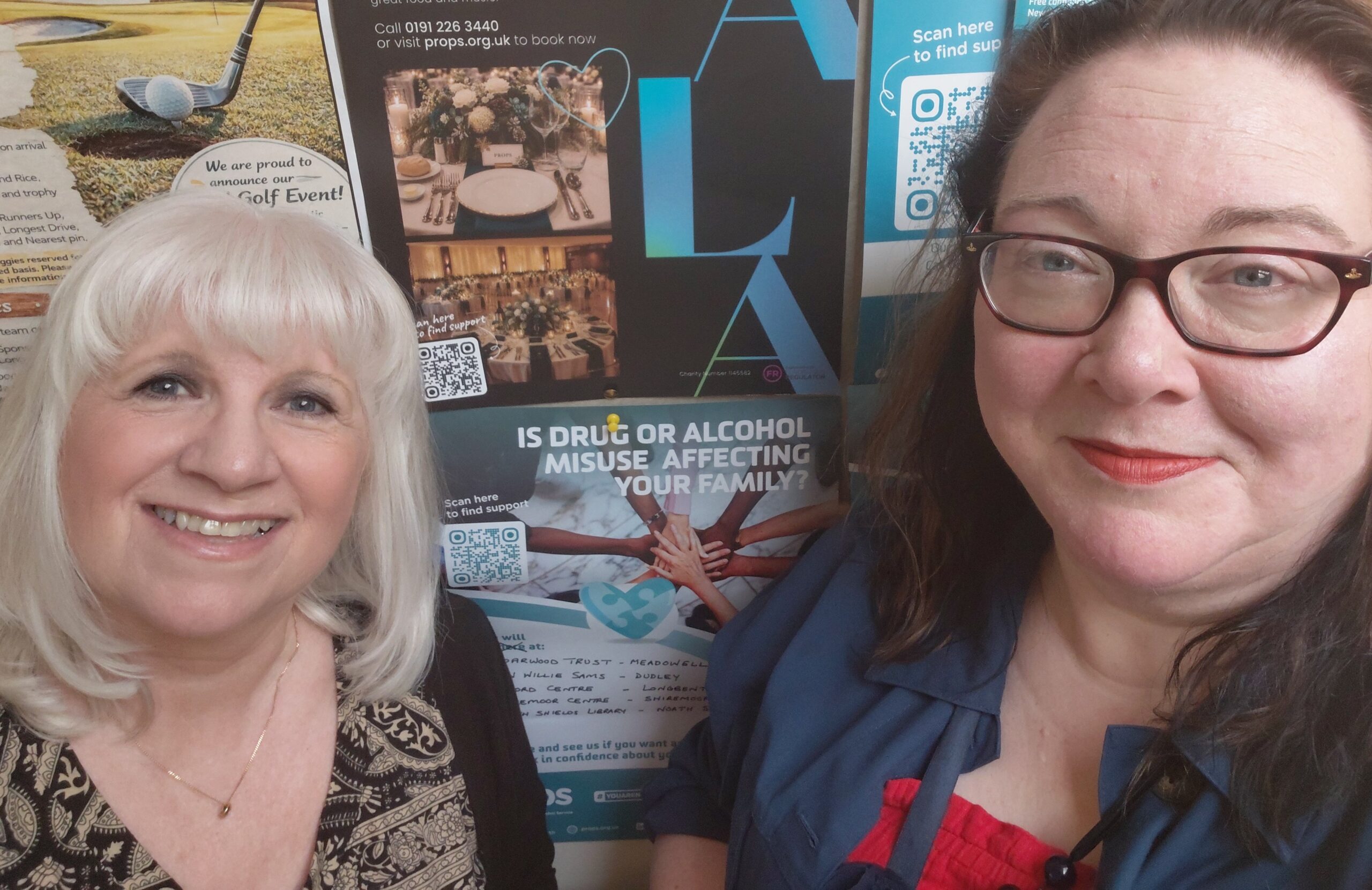
Helen Thompson, CEO and and Claire Hagelberg, Volunteer & Carer Coordinator
What the Life Map revealed
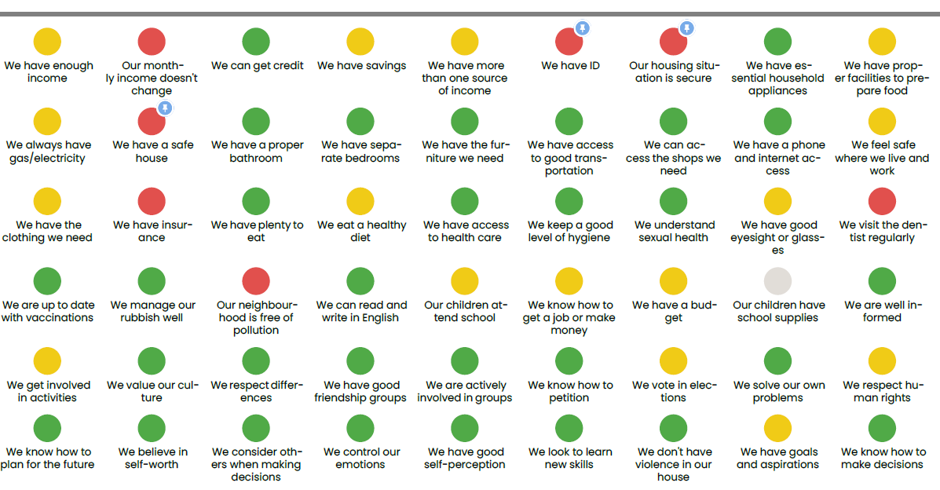
JS identified We Have a Safe House and Stable Housing as immediate priorities. She does not feel safe in her current property. The need to move feels urgent.
But the Life Map did not stop there. It surfaced the connections.
Mould in the property was affecting food storage, a red indicator for We Eat a Healthy Diet. It had damaged her clothing, red for We Have the Clothing We Need. Repeated chest infections and disrupted sleep were the physical reality of living in a damp home. There was no comfortable space to rest or recover.
The instability had spread further. Without a settled address, JS had been unable to obtain identification documents – a practical barrier to accessing services and support. Without security, she could not maintain household insurance. Without stable housing, stable income felt out of reach.
Her Life Map showed red and amber indicators across We Feel Safe Where We Live, Neighbourhood Free of Pollution, We Have Insurance, and Stable Income.
One housing failure. Cascading inequality across health, identity, financial security and agency.
“The Life Map gave us the evidence to show what JS already knew – that this was not a housing problem with some health consequences. It was a whole-life problem, with housing at the root.” – Helen, PROPS CEO
JS: Life Map
What this asks the system to notice
PROPS’ practice is informed by the Marmot Principles – the framework developed by Professor Sir Michael Marmot showing that health inequalities are shaped by the conditions in which people live, grow and work, not by individual behaviour alone.
JS’s Life Map touches at least four of those principles directly: a healthy standard of living, healthy places and communities, control over her own life, and the prevention of ill health. What it shows is not a series of separate problems. It is a single set of interconnected conditions, each making the others harder to shift.
“SIGNAL helps us provide the evidence that shows how the principles connect in real lives. JS is exactly what a Life Map asks the system to notice – a person whose needs are interconnected, whose voice has been present throughout, and whose situation required someone to ask the right question and listen to the answer.” – Helen, PROPS CEO
That question is the one PROPS places at the centre of its practice: What Matters To You?
It sounds simple. In JS’s case, it unlocked a conversation that complaints procedures had not.
What practitioners and partners are learning
The shared learning from JS’s story is not only about housing. It is about how services are designed to respond.
When services respond to presenting problems in isolation – a housing complaint here, a health referral there – the person can fall between them. The connections that JS’s Life Map made visible are connections that a relational approach can act on. A transactional one often cannot.
PROPS and SIGNAL are building the evidence that commissioners and service designers need to see that difference clearly. Not to replace housing repairs, health services or financial support – but to show that those interventions are more likely to make a lasting difference when they are guided by what the person says matters, and by an understanding of how the issues connect.
Relational working – asking what matters, listening to the answer, and responding to the whole picture – is not a soft option. For people whose lives sit at the intersection of poor housing, ill health, financial insecurity and social isolation, it is the difference between a complaint being logged and a life beginning to move.
What this points to next
JS’s story is being shared here, with her consent and in her own chosen terms, because she wants it to help change how services respond to others in similar situations.
The question her Life Map raises for commissioners, housing services and public health teams is a direct one: are your services designed to see the person, or only the presenting problem?
And the learning PROPS and SIGNAL are offering is equally direct: ask what matters. Listen to the answer. The rest follows from there.
Every Life Map carries a question for the system. JS’s asks: are your services designed to see the person, or only the problem?