A Game-Changing Partnership for Community Support in East Lothian
Signal Scotland is an initiative of SIGNAL, a platform designed to empower individuals and communities through real-time insights, relational support, and self-determined change.
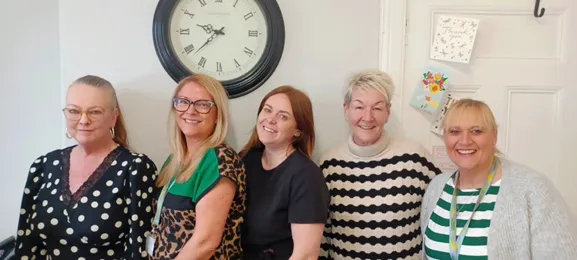
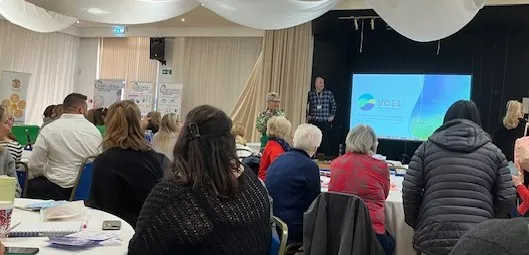
VCEL (Volunteer Centre East Lothian) is a key organisation supporting the voluntary sector in the region, working to enhance community collaboration and local impact. Together, they are launching a joint venture (JV) to embed SIGNAL in East Lothian, building on a successful initial pilot to expand its reach through a network of local partners. Led by Maureen Allan (MA), CEO of VCEL, and her dedicated team, this collaboration continues to evolve, ensuring that the platform and services are fully adapted to meet Scottish and local needs.
An exclusive interview with Maureen Allan, CEO of VCEL, on why this joint venture is set to transform lives.
A New Way Forward
What initially drew VCEL to partner with SIGNAL, and how does this joint venture align with your vision for East Lothian?
Maureen Allan (MA): “At VCEL, we were really inspired by SIGNAL’s innovative approach because it fits so well with our vision for East Lothian—a place where people are at the heart of positive change. Instead of sticking to traditional service models, we saw an exciting opportunity to empower individuals through real-time insights, genuine support, and meaningful conversations. The way SIGNAL can transform lives, tackle poverty, and create lasting change is exactly the kind of fresh thinking that speaks to our commitment to making a real difference in communities.”
Insights from the Initial Pilot
What were the key learnings from the first pilot with VCEL?
MA: “Our first pilot was a real eye-opener—it showed just how powerful real conversations and data-driven insights can be in finding solutions that genuinely work for people. We quickly learned that flexibility and responsiveness are key because people’s needs don’t always fit into set structures. SIGNAL’s approach allows us to meet individuals where they are, which makes a huge difference. Another big takeaway was the importance of transparency—by sharing insights in real-time, we built stronger collaboration and trust across organisations, helping to provide more seamless support for those who need it most.”
Expanding the Pilot with Partners
his next phase is also a pilot but now involving VCEL’s wider network of partners. What do you hope to test and learn?
MA: “In this next phase, we’re focusing on expanding SIGNAL’s impact and seeing how it works across a wider network of partners. We want to explore:
- How different organisations can use real-time insights to enhance their work.
- What extra support or training might be needed to make sure SIGNAL is used effectively.
- How we can build a more connected system—one where partnerships drive real change instead of duplicating efforts.
This is such an exciting opportunity to rethink how services work together, shifting away from siloed approaches to a truly collaborative, person-centred model.”
Measuring Success and Impact
What outcomes or indicators will you be looking at to assess the success of this phase?
MA: “Success isn’t just about numbers—it’s about real change in people’s lives. We’ll be focusing on:
- How individuals experience change—Do they feel more in control? Are they better connected to the right support?
- How well organisations are working together—Are partnerships becoming stronger? Are we cutting down on duplication and making support more seamless?
- How real-time data is being used—Is it helping drive quicker, smarter decisions?
This pilot is all about refining a framework for lasting impact, making sure SIGNAL isn’t just gathering data but turning it into meaningful action that truly makes a difference.”
The Role of Local Organisations
How do you see local organisations benefiting from SIGNAL, and what role do they play in making this approach effective?
MA: “Local organisations are at the heart of this model. SIGNAL isn’t here to replace existing support—it’s here to strengthen it. With real-time insights, organisations can:
- Tailor their support based on up-to-date information.
- Spot gaps and trends they might not have noticed before.
- Work together more effectively, sharing knowledge and resources instead of working in silos.
For this to truly work, local organisations need to see themselves as key players—actively contributing insights and helping shape SIGNAL so it continues to meet real community needs.”
Looking to the Future
If this expanded pilot succeeds, how would you like to see the partnership between VCEL and SIGNAL develop?
MA: “If this expanded pilot is successful, the possibilities are truly game-changing. We envision SIGNAL becoming a vital part of the infrastructure that supports all organisations working in communities—a shared intelligence system that enables smarter, more person-centred support across Scotland. In the future, this partnership could lead to:
- SIGNAL being embedded as a national model for data-driven, relational working.
- Policy influence—using insights from SIGNAL to shape more responsive and effective social policies.
- Stronger cross-sector collaboration, breaking down barriers between statutory services, third-sector organisations, and communities.
At its core, this partnership has the power to transform how Scotland supports individuals—moving beyond reactive services to proactively empowering people to lead better, more connected lives.”
Join the Movement
Signal Scotland and VCEL are leading the charge—but this is just the beginning. If you’re part of an organisation that wants to be involved in this transformation in East Lothian or elsewhere in Scotland, now is the time to act.